
Hedging Risk

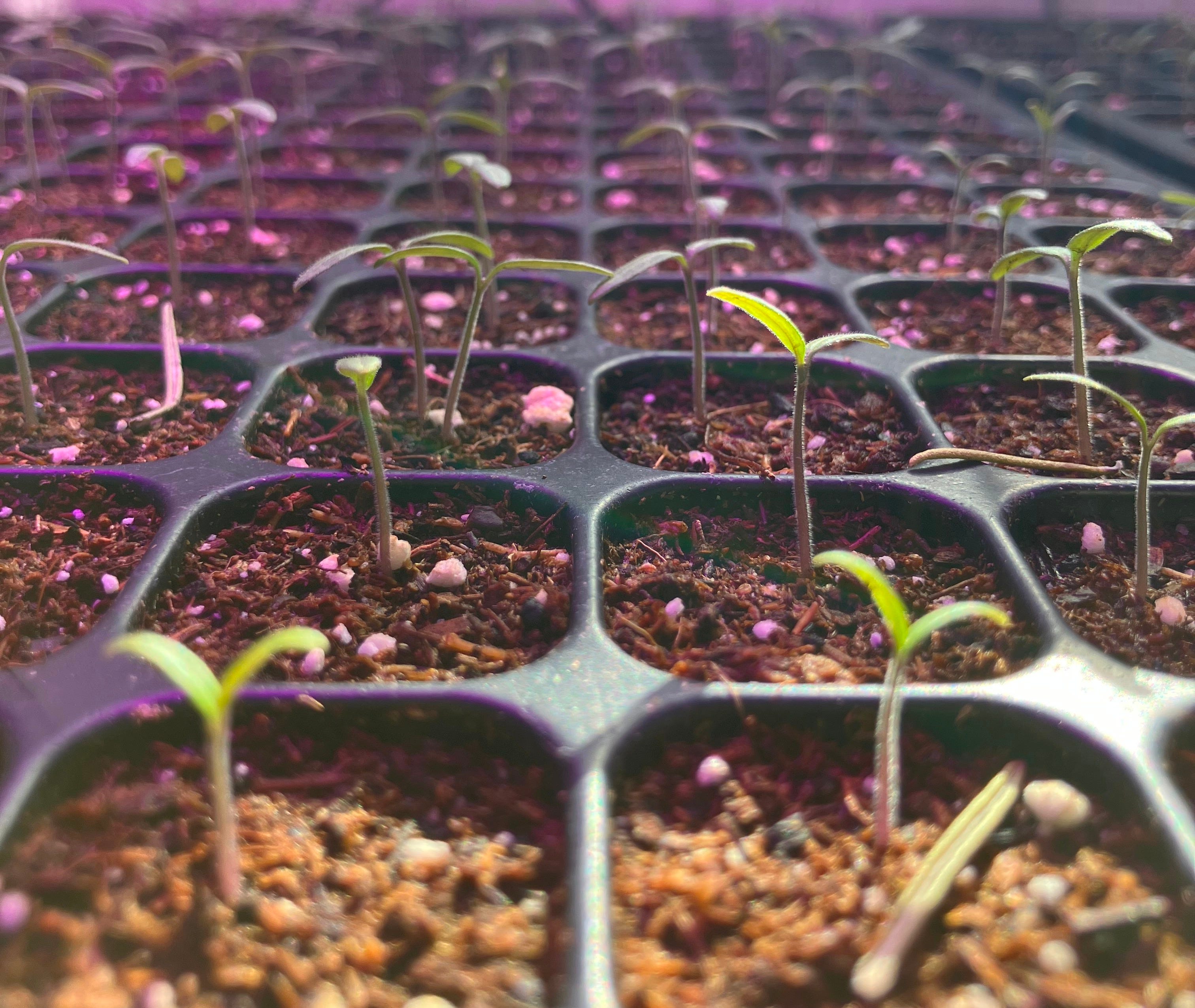
I have forgotten more about farming then most anybody would ever come close to knowing. So much so that after getting absorbed by a catchy short form video about risk on the farm I began to ask myself, are we hedging risk?
A huge concern for a CSA member is the inherent risk in committing yourself to one farm for a growing season. Given catastrophe the farm cannot pay back the loan through produce, and we ask CSA members to help us carrying this burden. Nature barks, and as weather is increasingly unpredictable, we have to ask ourselves how we mitigate the climate and environmental disasters.
Seeds
Seed sourcing is our first line of defense here at Folks Farm. By using regionally specific and organically produced seeds we are integrating generations of genetic resilience designed to combat heat waves, dry spells, and cold snaps. The seeds are also bred to thrive in our organic conditions which are inherently very different to conventional farming practices. Much of the lettuce we grow has come from generations of seed produced on our farm and on farms in the region. This adaptability provides real time responses to weather patterns and allows our crops the initial boost to produce.
The increased diversity in crop offerings also keeps our customers engaged with the produce and experience flavors grocery stores could never provide.
Successions
Our focus on succession planting hedges against risk. Each time we plant, we plant lettuce over 10 times per season, we put another round ahead of weather. If a hailstorm comes through during in the season, we will have another round of lettuce ready in a few weeks.
In adapting to unpredictability, we have started succession planting longer season crops like tomatoes. Last year one round completely failed, yet two crops of tomatoes hit. By spacing out our planting across time and farm ecosystems (greenhouse, high tunnel, and field) we grew an abundance of our CSA customer’s favorite crop.
Climate Control and Protected Space
I cannot say enough about the benefits of growing in hoop houses or greenhouses. The ability to control inputs into the growing system reduces the need of climate cooperation and allows us to nimbly produce crops. After building a new tunnel I often say this is the last one, yet I keep constructing them.
Not only do they protect us from random storms but allow the farm to produce more vegetables in the shoulder seasons when weather is especially fraught with challenge.
They require constant maintenance to avoid disaster, as well as monitoring, but the costs are well worth the peace of mind.
These covered spaces allow us to be more flexible in our nursery production. By producing more plants than we need, or increased diversity of crops, we can see how the season is unfolding and modify our crop plan in real time. Dancing with nature requires flexibility and the willingness to adapt. The nursery allows us to invest into crops while not taking up field space.
Infrastructure
Along with high tunnels, increasing our storage space has been an ongoing investment. Cold storage, harvest containers, and clean wash/pack areas give us flexibility to harvest and safely store crops ahead of incoming weather. These investments also provide a food safe product to our customers and increase the shelf life of our crops.
These investments have been made possible through the support of grants and our community whether through their purchase of CSA shares or patronizing the Farm Stand and markets.
Relationships
By building community relationships with our customers rather than bankers we invest in those people directly affected by our farming choices. Less transactional spaces give our farm the flexibility to pivot given unpredictable outcomes.
When a bad storm hits, we have chefs able to utilize “ruined” produce. These deals would be impossible with large-scale institutional buyers.
As we embark on our next growing season, we are anticipating challenges and creating a plan that allows necessary wiggle room. We do this to ensure our customers get the most bang for their buck across the 6-month regular season CSA.
Farm News
Seeds are being sown and the first of 2026’s crops are germinating. As I write this, we are running irrigation water in our high tunnels for freshly planted greens and roots. This winter has moved quickly, and the farm is revving its production engines again.
That is why we need you. CSA shares make this lift possible and while those tomato sandwiches of summer seem far off, we farmers are laying the foundations now.
February will likely be our last month attending the Fort Collins Winter Farmers for the year. We will also likely be closing our Farm Stand doors temporarily as we spend energy on getting crops planted. We look forward to serving you this month and still have quite a bit of delicious produce in stock.
Really solid breakdown of the succession strategy here. The temporal diversification angle is kinda underrated in most farming discussions imo. Had a small backyard operation once and lost an entire batch of cucumbers to a freak frost, would've been saved if I'd staggered plnting like this.
Awesome work, thanks for sharing. All the best to you in these trying times.