
Why grow a garden?
In the midst of a historic drought, why grow your own food?

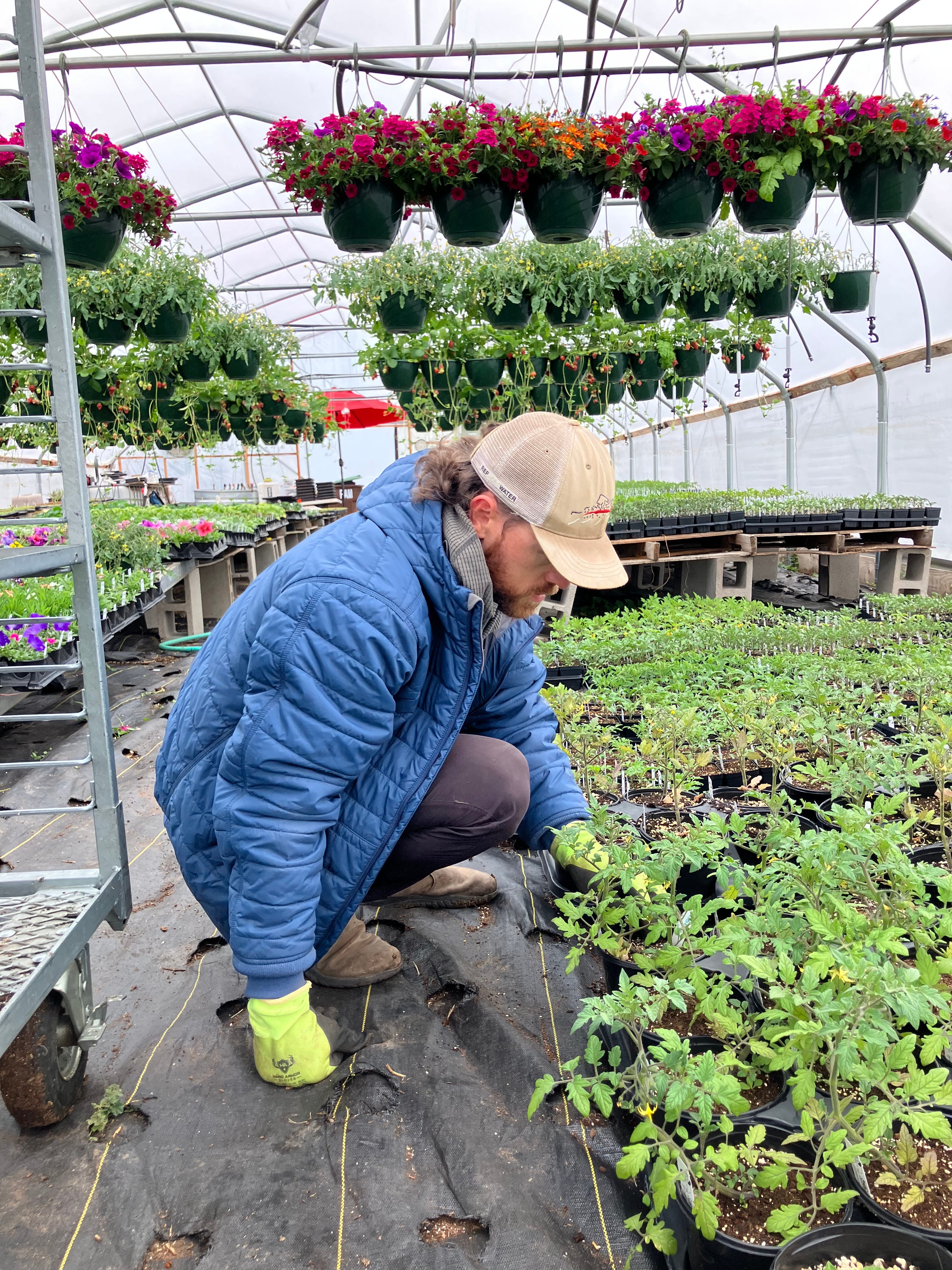
“No garden for me this year. Since we are in a drought, I am going to let you farmers grow food for me this year.”
Several customers have voiced not wanting to grow a garden this year given drought. True, water will be limited and rationing might happen. All that hard work of planting a garden could wither under the oppressing heat of summer.
Why grow a garden?
Growing your own food, even a single pot, will (not might) brighten your day. Few experiences are better than watching something grow under your care and if it something you eat, nothing tastes better either. It is a simple joy in an oversaturated world.
Food prices will be rising, everywhere. Diesel prices have nearly doubled thanks to constraints on fossil fuel production and an ongoing war. Nearly every farm depends on diesel to grow and distribute their products, these increased costs will get passed onto the end users.
Coupled with constraints in fertilizer production, labor, and other inputs farms, big and small, will be stretched causing grocery bills to rise.
Farms are also dealing with the same drought. From Texas to Florida the southern areas of the country are seeing unprecedented dry conditions. Winter wheat crops are failing, even in irrigated fields. Supply will be constrained causing further price inflation.
On our farm we are looking at loosing irrigation water 2-3 months early. To get our crops irrigated will take immeasurable extra work and likely lead to less production.
Having some food, even a single cherry tomato plant, is manageable to care for and will provide pounds of fruit with an arm’s reach of your kitchen. A summer squash plant reliably produces for months. Crops these fresh are packed with nutrients and satisfy.
I have my biases. I grow plants and starter plants for a living. Have been doing so for years.
Some other tips for drought growing:
1. Water deeply and less frequently, make those roots chase the water
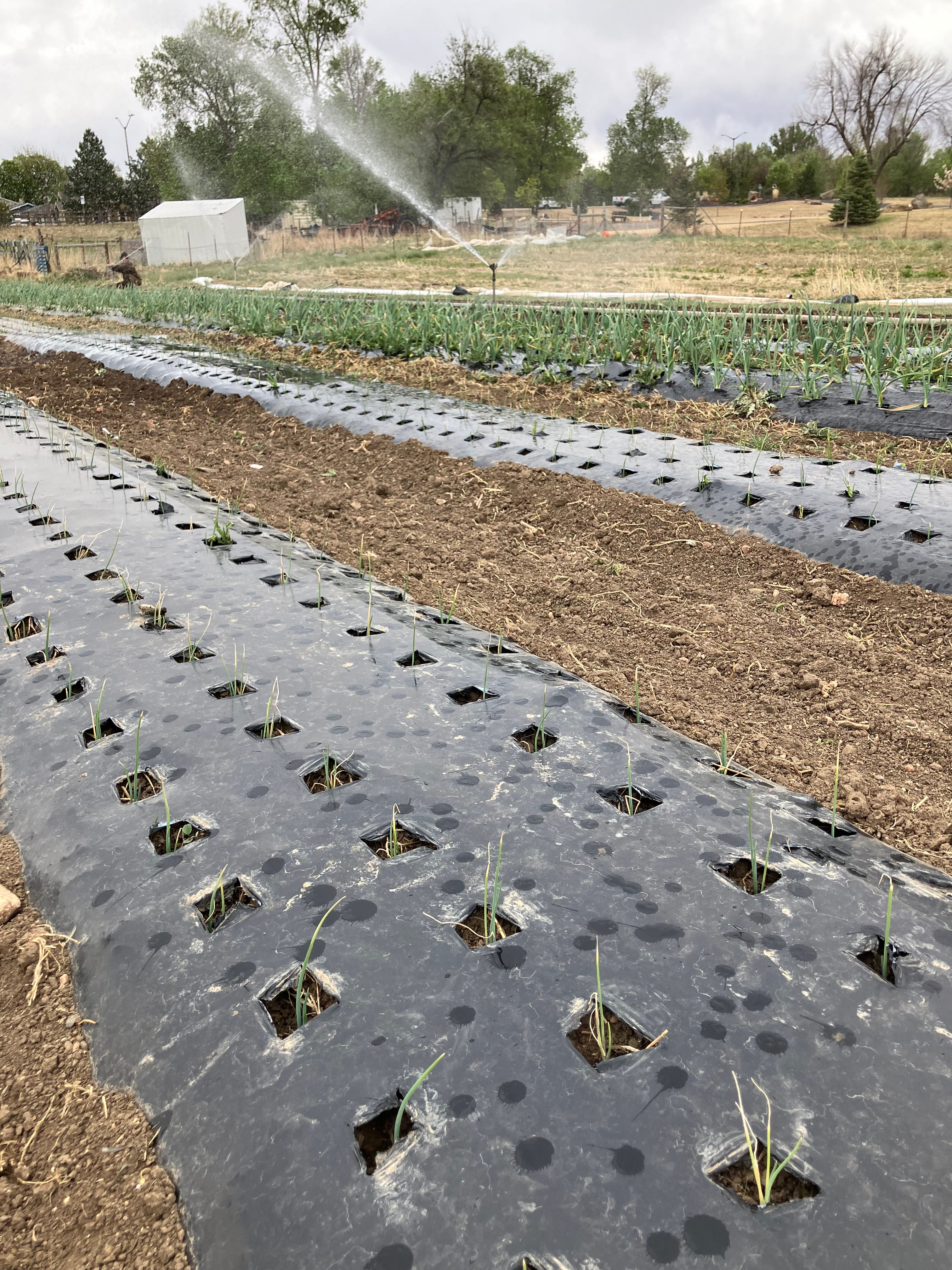
2. Use mulches to cover soil and keep moisture in the ground
3. Grow regional varieties or crops bred for tough conditions (Folks Farm starter plants)
4. Give plants more space so they don’t compete for water
5. Add organic material to soil for extra water retention
6. Use drip irrigation to focus water on the crop
Times are uncertain. That is why we keep planting. Seeds unsown have no chance of growing, but a planted garden has a chance. Now is not the time to throw in the towel. Now is the time to prepare.
Farm News
The Farm Stand is officially open for the season! We have a ton of plant starts ready to grow and a few early spring greens coming in for the weekend. We are looking forward to a great season over here and have been making strides to clean the place up making the Farm Stand inviting for all.
Hours: Tuesday-Sunday 9am-6pm
Farmers Markets
Folks Farm is participating in several extra markets this Spring selling our top-notch starter plants. Our tested and proven varieties will be available this weekend at:
Boulder County Farmers Market, Saturday 8am-2pm
Longmont Farmers Market, Saturday 8am-1pm
Lafayette Farmers Market, Sunday 9am-1pm
We will be bringing full line-ups of organically grown vegetables, fruits, flowers, herbs, and hanging baskets.
See you there,
Folks.
I just stopped by the farmstand today to grab some bread and starter plants, thanks for having them available!
Thanks as well for the advise to keep gardening.
I’m leaning more on rain barrels( here’s hoping to them filling up) and have been a little more picky about emitter sizes on my drip system.
I work with a bunch of small to medium sized cheese, charcuterie and natural foods makers as a broker between them, distributors and retailers/ restaurants across several states.
You hit the nail on the head regarding cost increases and availability of things.
The cost of raw ingredients, feed, packaging and cleaning supplies have all gone up significantly and we are beginning to see distributors charging a fee( usually around ) 3% to cover some of the fuel cost to take product to their warehouses.
Everything we grow reduces those costs that are passed through to consumers.
Cautious use of our yards and water can reduce the financial and environmental impacts. Plus growing stuff is fun!
Great piece Alex. In times of drought , I have been surprised to see how well some vegetables succeed with less water. And some , for instance tomatoes, even taste better. It is worthwhile to practice low-water techniques and see what you can learn. There is always more to learn.